
WHY BUSINESSES SHOULD CHOOSE DIGITAL MARKETING FOR GROWTH?
Today’s digital-first world means the prosperity of your company is no longer just about what you sell but also about how you connect with the people who need it.
Traditional marketing still finds its use, yet it can’t rival the velocity, reach, and specificity of digital marketing. Whether you’re a startup trying to make waves or an established company trying to expand, digital marketing provides focused strategies, quantifiable results, and economical solutions that can deliver real business growth.
This blog discusses how digital marketing isn’t merely an option but a necessity for companies that want to grow, remain competitive, and reach today’s consumers in an authentic manner.
and we are discussing about benefits of digital marketing.

The significance of digital marketing in 2025
Digital marketing is the foundation of contemporary business, not just a fad. The digital landscape is changing more quickly than ever as 2025 approaches, and businesses that don’t adjust run the risk of falling behind. However, why is digital marketing so important this year? Let’s dissect it.

1. The World is More Digital Than Ever
According to Statista, there will be more than 5.3 billion active internet users by 2025. Businesses need to meet customers where they are online with voice search optimization and chatbots driven by AI. According to Gartner, by 2025, 80% of consumer interactions will take place online. For instance, companies like Nike and Sephora improve the consumer experience by utilizing AR-powered shopping.
2. Marketing Is Driven by AI and Personalization
Artificial intelligence is changing marketing; it’s not just a trendy term. Hyper-Personalization: AI uses user behavior analysis to provide recommendations and ads that are specifically catered to each user. Chatbots & Automation: By 2025, 70% of customer service will be powered by AI (Servion)
Digital marketing: what is it?
Businesses need to adjust to new methods of reaching and interacting with their audiences in the fast-paced digital world of today. Digital marketing has become a potent instrument that enables companies to interact with consumers online, promoting expansion and prosperity. However, what is digital marketing exactly, and why is it so important now? Let’s dissect it.
Definition:
The promotion of goods, services, or brands through digital platforms like search engines, social media, email, websites, and mobile apps is known as digital marketing. Digital marketing uses the internet to reach a specific audience in a quantifiable and economical manner, in contrast to traditional marketing methods like billboards or print advertisements.
Among the essential elements of digital marketing are:
Increasing a website’s visibility on search engines like Google is known as search engine optimization, or SEO.
Promoting content on social media sites like Facebook, Instagram, and LinkedIn is known as social media marketing, or SMM.
Using advertisements where companies only pay when users click is known as pay-per-click (PPC) advertising (e.g., Google Ads).
Content marketing is the process of producing informative content (blogs, videos, infographics) in order to draw in and keep clients.
Email marketing is the practice of sending customized emails to cultivate leads and keep clients.
Influencer marketing is the practice of collaborating with influencers to market goods to their audience.
Comparison:

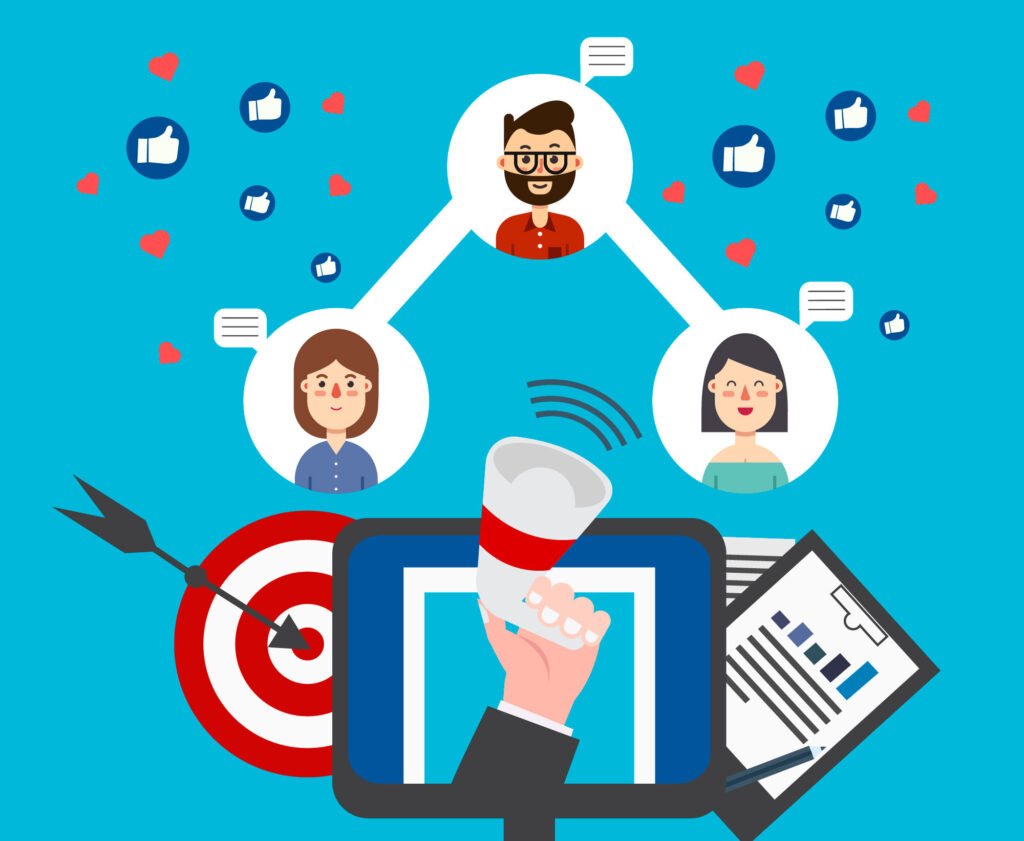
Traditional marketing
Digital marketing
Comparing Traditional and Digital Marketing:
Digital marketing has a number of benefits over traditional marketing, which still includes TV, radio, and newspapers.
- A factorThe cost of traditional marketing versus digital marketingMore scalable and reasonably pricedcostly (TV commercials, print media).
- IdentifyingExtremely specific (age, location, hobbies)Less focused and more general MeasurabilityAnalytics and tracking in real timeAccurate ROI measurement is challenging.
- Interactive engagement (likes, shares, and comments)One-sided dialogue. AdaptabilityCampaigns that are easily adaptableMore time and resources are needed for changes.
Post-Pandemic Rise:
Comparing Traditional and Digital Marketing:
Digital marketing has a number of benefits over traditional marketing, which still includes TV, radio, and newspapers.
- A factorThe cost of traditional marketing versus digital marketingMore scalable and reasonably pricedcostly (TV commercials, print media).
IdentifyingExtremely specific (age, location, hobbies)Less focused and more general MeasurabilityAnalytics and tracking in real timeAccurate ROI measurement is challenging.
Interactive engagement (likes, shares, and comments)One-sided dialogue Adaptability Campaigns that are easily adaptableMore time and resources are needed for changes.
Post-Pandemic Rise:
As companies and consumers migrated online, the COVID-19 pandemic hastened the transition to digital marketing. Among the major trends that surfaced are:
- Growing E-commerce: As more people made purchases online, digital advertising expenditures increased.
- Boom in Video Marketing: Sites like YouTube and TikTok experienced tremendous expansion.
Remote Work & Virtual Events: In-person events have been replaced by webinars and online conferences.
- Hyper-Personalization: Chatbots and AI-powered advertisements enhanced consumer experiences.
- Because of its effectiveness and global reach, digital marketing has remained dominant even after the pandemic.
What are the benefits of digital marketing?
These are the benefits of digital marketing:
- Cost-effective: Without large budgets, small businesses can compete with bigger brands.
- Increased ROI: Better conversion rates are the result of targeted campaigns.
- Global Reach: Companies are able to draw clients from all over the world.
- Real-Time Outcomes: Fast optimizations are made possible by instant tracking.
- Improved Engagement: Two-way communication strengthens bonds with clients.
- Data-Driven Decisions: Analytics aid in honing tactics for optimal effect.

8 powerful benefits of using digital marketing
Businesses that use online marketing techniques have a major competitive advantage in today’s digitally first world. What are the benefits of digital marketing? Digital marketing, as opposed to traditional marketing, provides flexibility, accuracy, and quantifiable outcomes that spur expansion. These are eight significant advantages of digital marketing for your company or these are the 8 powerful benefits of digital marketing.
1. Digital marketing expands your business's reach
With billions of people connected to the internet globally, digital marketing enables companies to reach a global audience without regard to location. Your brand can interact with potential customers in various geographical locations through social media, search engines, or email campaigns something that traditional marketing finds difficult to do at a reasonable cost. this is one of the benefits of digital marketing.
2. Digital marketing enables you to target your audience precisely
Hyper-targeted advertising is one of digital marketing’s greatest benefits. Businesses can define their audience using platforms like Facebook and Google Ads by:
- Age, gender, and income demographics.
- Interests and Behaviors (online activity, shopping habits).
- Location (city, nation, or even a certain area).
This minimizes wasted ad spend by ensuring that the right people see your marketing efforts.
3. Digital marketing enables you to track results accurately
Digital marketing offers real-time analytics, in contrast to traditional marketing, which frequently relies on guesswork to measure ROI. Email marketing dashboards, Facebook Insights, and Google Analytics are examples of tools that demonstrate:
Sources of website traffic.
Rates of click-through (CTR).
Rates of conversion.
- Levels of customer engagement.
Businesses can improve performance by refining their strategies with the help of this data.
4. Digital marketing brings customers to you

Digital marketing attracts potential customers to your company rather than chasing them away. Techniques such as:
SEO (ranking for relevant searches on Google).
Content marketing (videos and blogs that draw in natural traffic).
Social media interaction (creating a devoted fan base).
make sure that when prospective clients are looking for answers, they come across your brand organically.
5. Digital marketing increases brand awareness
Maintaining a steady online presence by:
- Posts on social media.
- Influencer partnerships.
- Interesting material (blogs, infographics, and videos)
It builds trust and brand recognition. People are more likely to remember and pick you over rivals if they see your brand more often online.
6. Digital marketing helps to improve sales
Not only does digital marketing produce leads, but it also turns them into paying clients. Strategies such as:
- Displaying advertisements to previous website visitors is known as retargeting.
Sending tailored offers via email marketing.
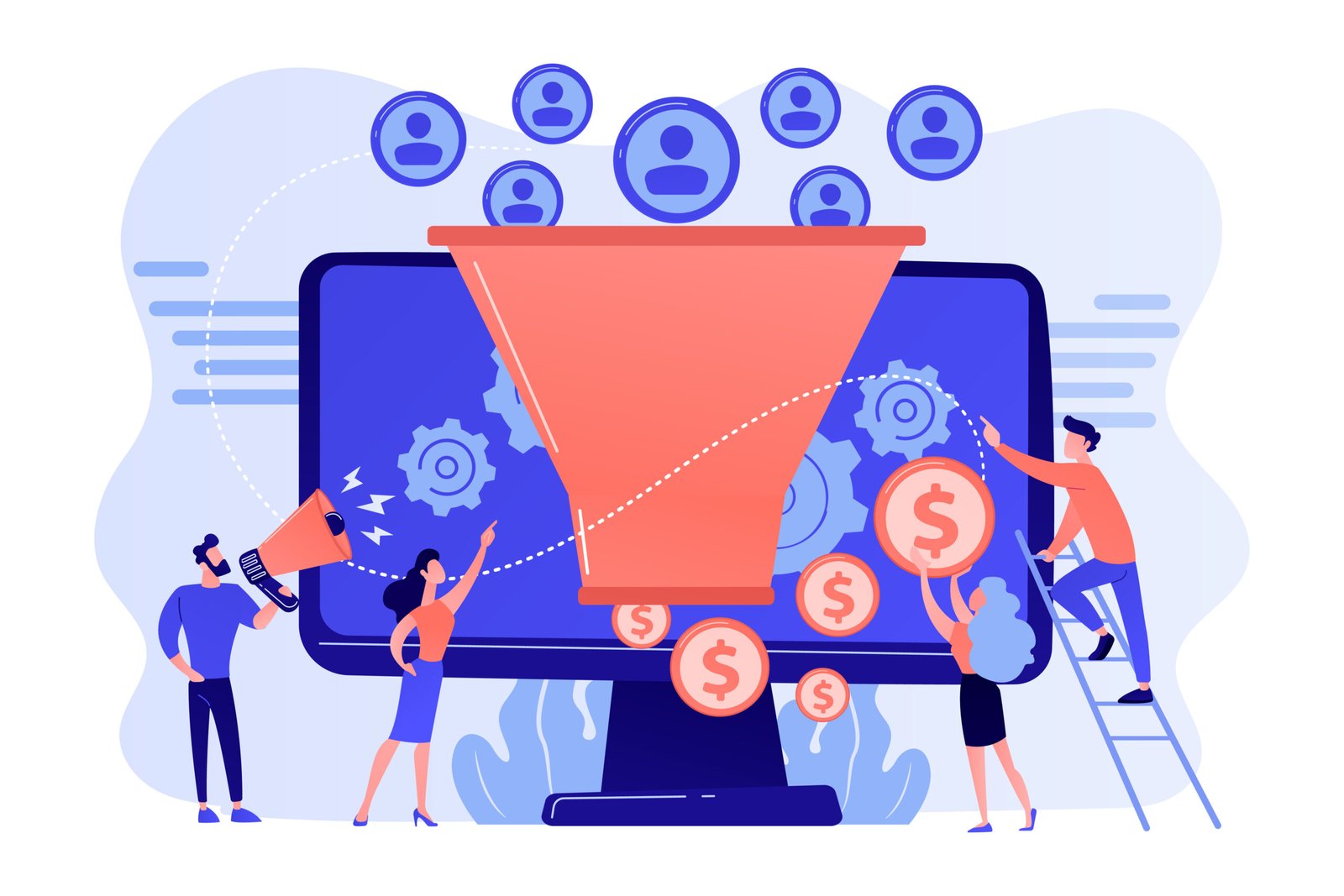
- Sales funnels (helping customers move from awareness to purchase).
It is significantly increase revenue and conversion rates.
7. Digital marketing is cost-effective
Digital marketing offers lower costs and higher returns than print, radio, or television advertisements. Small companies are able to:
- Advertise on Facebook for as little as $5 per day.
- For free organic traffic, use SEO.
- Send email campaigns for a low price
Because of this, even solopreneurs and startups can use it.
8. Digital marketing prepares you for the future
Online shopping, mobile browsing, and AI-driven experiences are becoming more and more popular among consumers. Companies that use digital marketing today will:
- Keep one step ahead of your rivals.
- Adjust to emerging trends (such as AI chatbots, voice search, and augmented reality shopping).
- Create a brand that is future-proof.
Digital Marketing FAQs
Because digital marketing is a dynamic and constantly changing field, businesses may wonder how it operates and why it works so well. To help you grasp the potential of digital marketing, we have provided answers to some of the most commonly asked questions below.
How Do Businesses Monitor the Success of Digital Marketing?
https://daxostech.com/freelance-digital-marketer-contact/
Monitoring the effectiveness of digital marketing initiatives is essential for strategy optimization and ROI maximization. To gauge performance, businesses employ a range of instruments and metrics, such as:
- Website traffic is one of the key performance indicators (KPIs). Google Analytics is one tool that displays visitor numbers, sources, and behavior.
- Conversion rates measure the proportion of users who finish desired actions, such as purchases or sign-ups.
- Ad engagement is measured by the Click-Through Rate (CTR) (clicks vs. impressions).
- Return on Ad Spend (ROAS) measures the amount of money made for every dollar spent on advertisements.
- Social Media Engagement: Brand interaction is shown by likes, shares, comments, and follower growth.
- Google Analytics is a popular tracking tool for website performance.
- For social media metrics, use LinkedIn Analytics and Facebook Insights.
- For SEO performance, use SEMrush or Ahrefs.
- Dashboards for email marketing (Mailchimp, HubSpot): For click-through and open rates.
- Businesses can improve campaigns by examining these metrics.
What Is the Heart of Digital Marketing?
Three basic principles are at the heart of digital marketing:

1. A customer-focused strategy
Understanding and meeting consumer needs is the main goal of effective digital marketing. This implies:
- producing individualised content, such as customised emails and targeted advertisements.
- interacting with users on the platforms that they prefer (search engines, social media).
- enhancing user experience through data-driven insights.
2. The King is Content
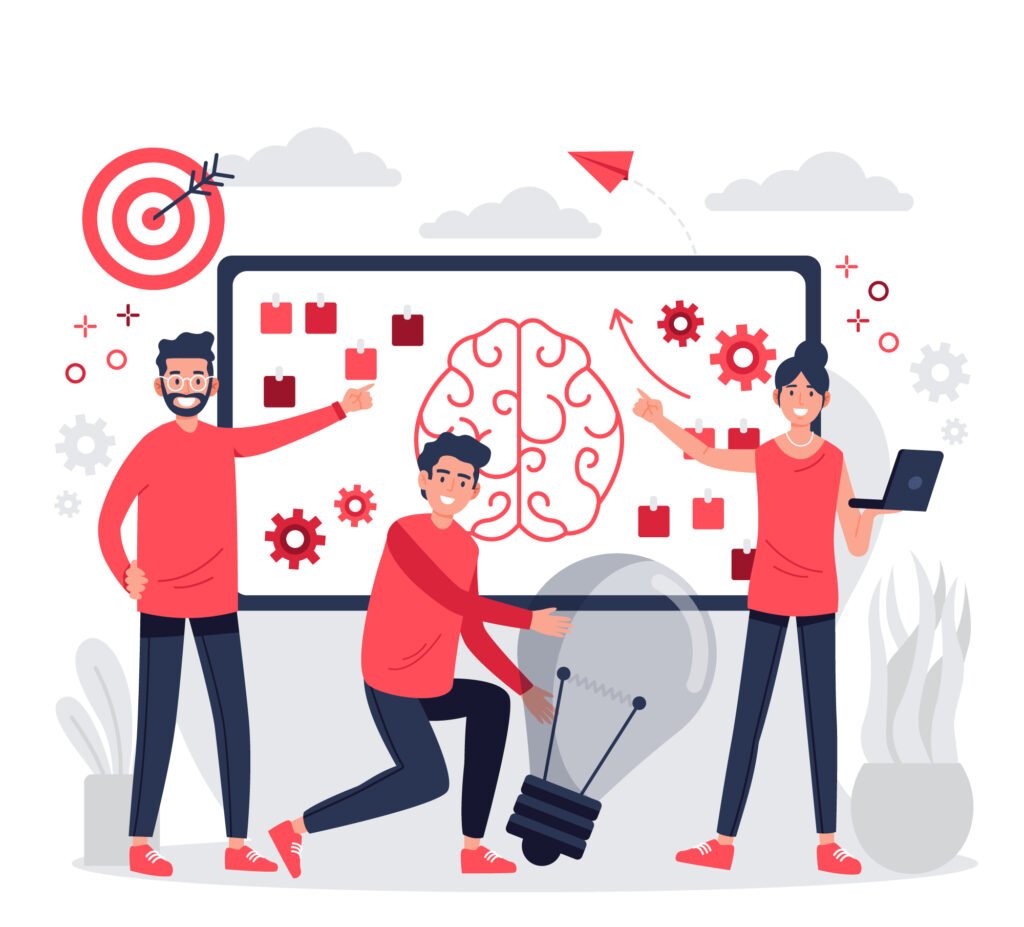
Excellent, worthwhile content (blogs, videos, infographics) motivates:
SEO rankings (helpful content is rewarded by Google).
Brand authority establishes you as an authority in the field.
Trust from customers (helps build long-term relationships).
3. Information and Flexibility
Flexibility and real-time data are key components of digital marketing. Campaigns can be instantly modified based on performance analytics, unlike traditional marketing.
How and Why Digital Marketing Is Growing?
Particularly in the past ten years, digital marketing has grown rapidly. This is the reason:
1. The Change in Consumer
- The Change in Consumer Behaviour to Online E-commerce Boom: More people than ever before are making purchases online.
Mobile Usage: Smartphones account for more than 60% of all web traffic.
Social Media Dominance: Every day, billions of people use sites like LinkedIn, Instagram, and TikTok.
2. Economical & Increased Return on Investment
With inexpensive advertising (Facebook, Google Ads), small businesses can compete with the big boys.
- Ad spend waste is decreased by precise targeting.
3. Developments in Technology
- AI & Automation: Programmatic advertisements, chatbots, and tailored suggestions all increase productivity.
- Voice & Visual Search: It’s becoming more and more important to optimise for smart speakers and image searches.
- Virtual shopping and augmented reality (AR): Companies like Sephora and IKEA use AR to create immersive experiences.
4. Post-Pandemic Acceleration COVID-19 compelled companies to adopt digital technology, which sped up trends such as:
- Remote work and online gatherings (Zoom meetings, webinars).
- Digital wallets and contactless payments.
- increased use of videos on platforms like Reels, TikTok, and YouTube.
5. Measurable Outcomes
Digital marketing, in contrast to traditional marketing, offers real-time analytics that let companies adjust their plans for optimal effect.